Astare
TECHNOLOGY TRANSFER FOR VECTOR BIOCONTROL
Astare
TECHNOLOGY TRANSFER FOR VECTOR BIOCONTROL
01 — THE PROBLEM
“Vector-borne diseases cause more than 700,000 deaths every year.”
Dengue, malaria, yellow fever and Zika are all spread by mosquitoes. Insecticides alone have not stopped them. Biocontrol works, but only where there are the facilities, procedures and trained people to deliver it.
WORLD HEALTH ORGANIZATION · VECTOR-BORNE DISEASES FACT SHEET
02 — WHAT WE DO
Biocontrol science, transferred to the teams who run it.
Astare works with governments and research institutions to turn biocontrol science into operational vector-control programmes. We adapt methods to local conditions, establish insectaries, laboratories and surveillance systems, and train the teams who will run them. We stay until those teams can operate independently.
70+
People trained in insectary, laboratory and field operations
TRAINING RECORDS
52%
Reduction in Aedes mosquitoes in a published In2Care field trial
J. MED. ENTOMOL. 2025 · RANGE 30–52%
2026–28
Field trials under way: Wolbachia releases and In2Care suppression
JEDDAH, SAUDI ARABIA
03 — HOW WE WORK
Assess, build, train, measure.
METHODS IN SERVICE: WOLBACHIA MOSQUITO RELEASES · IN2CARE STATIONS · OVITRAP SURVEILLANCE
01
Assess
We map mosquito populations and transmission risk before any intervention begins.
02
Build
We set up the insectary, laboratory and field systems, with written procedures for every step.
03
Train
We train local teams until they operate independently.
04
Measure
We design trials and monitor outcomes, so decisions rest on evidence.
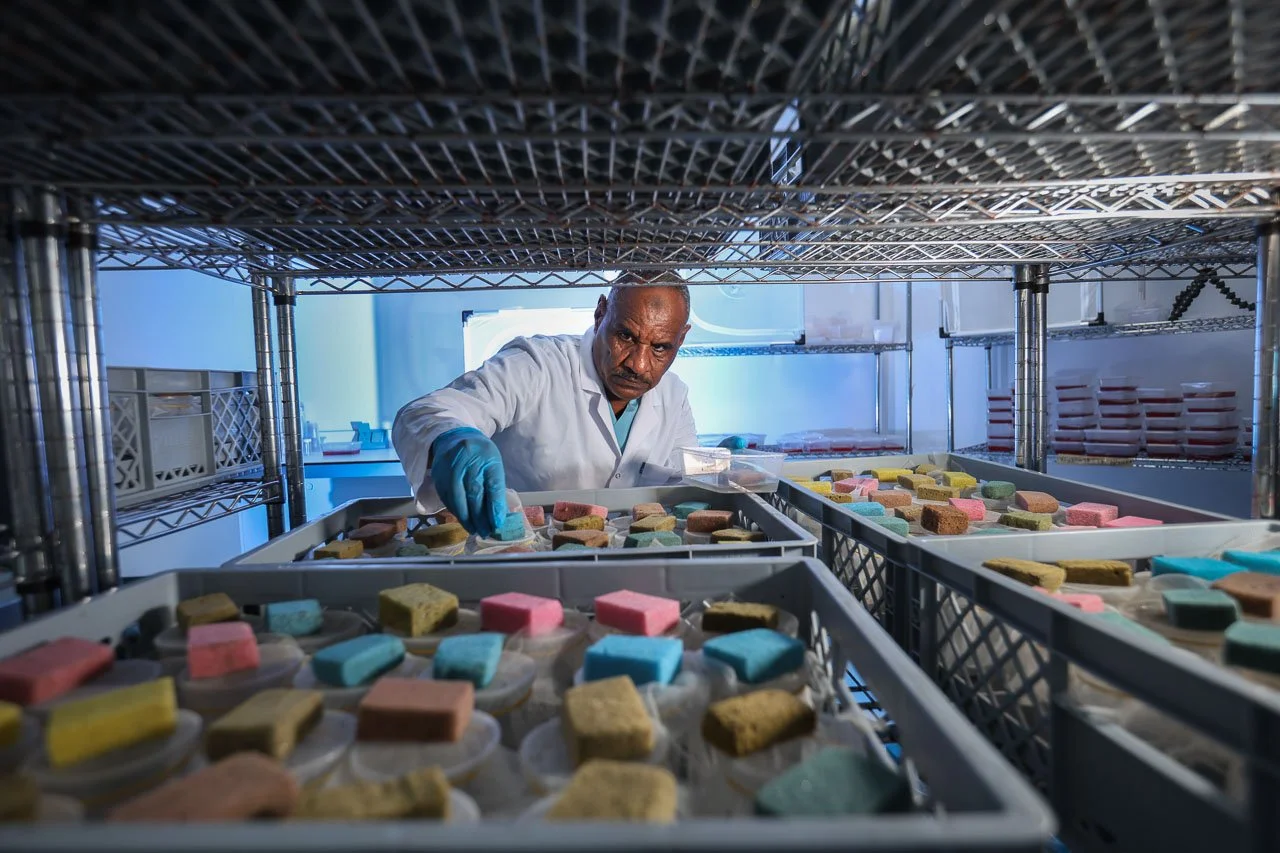
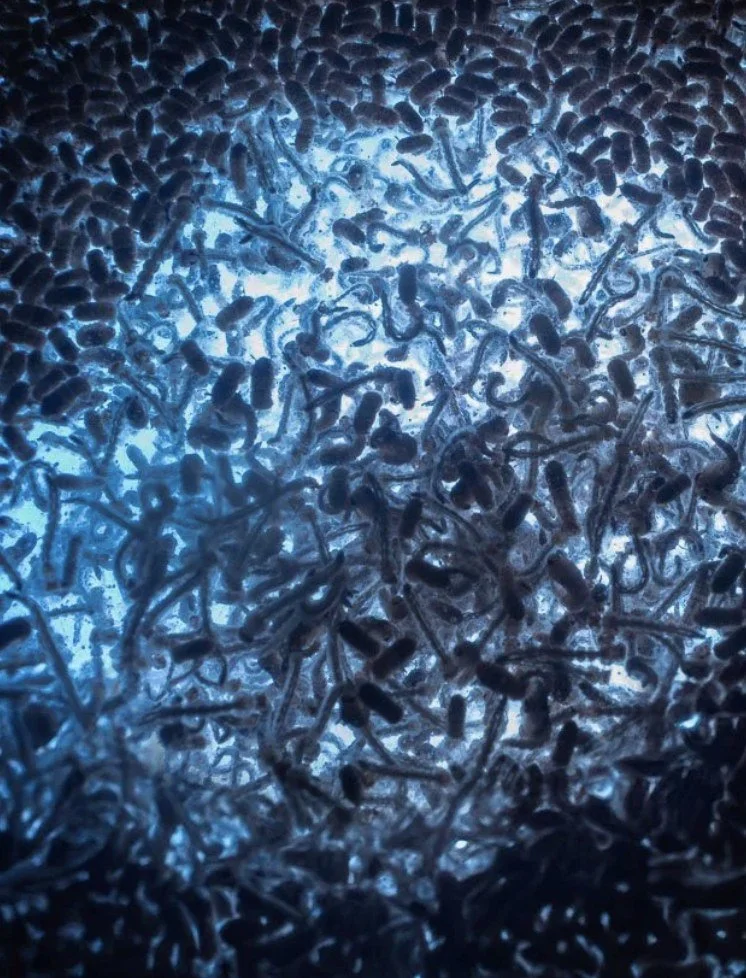
INSECTARY · COLONY MAINTENANCE
04 — IN THE FIELD
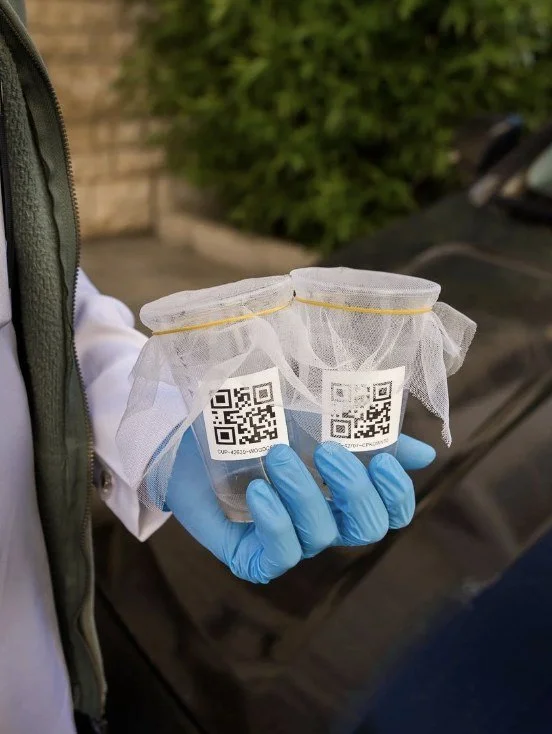
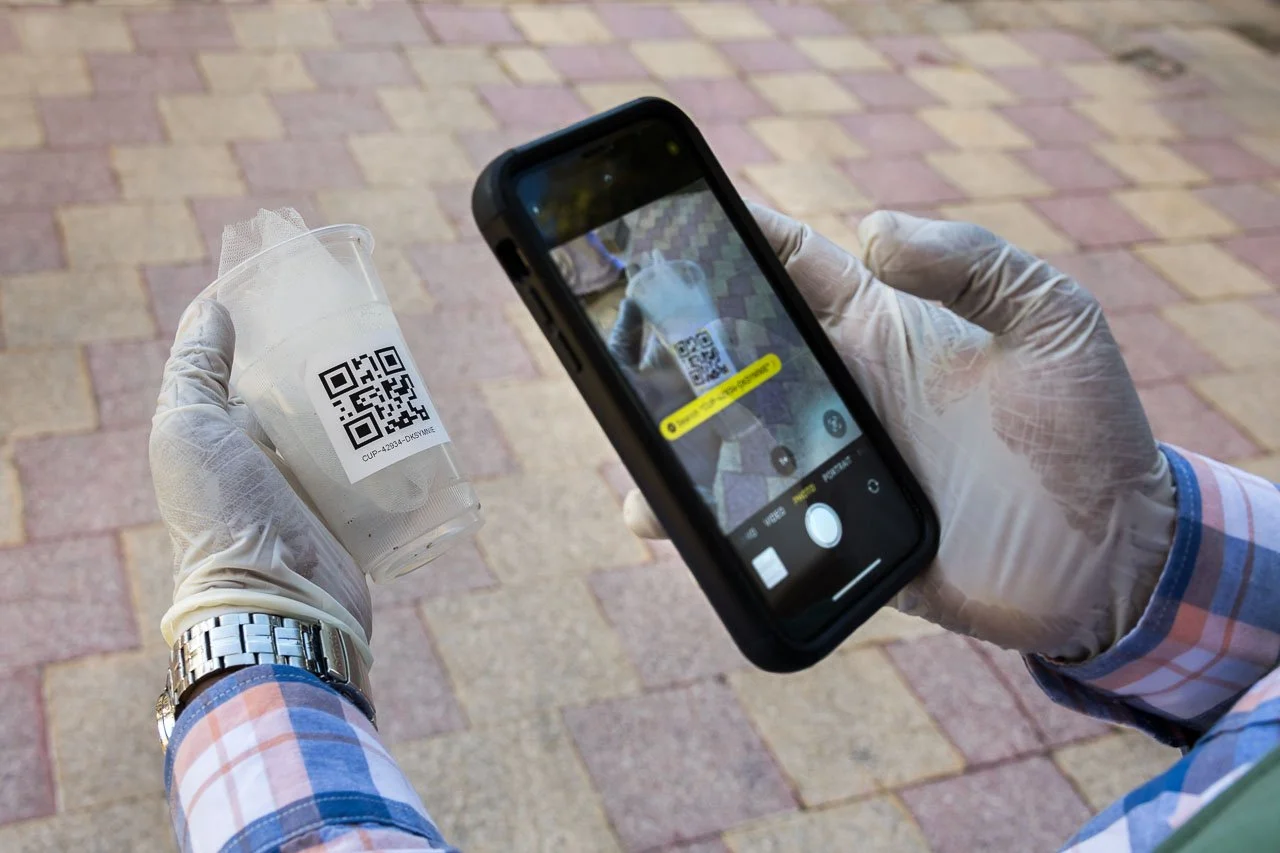
FIELD SURVEILLANCE · QR-CODED SAMPLES
Every sample is traceable, from the field to the laboratory.
Each trap and sample carries a code scanned on site, so field teams, laboratory staff and programme managers work from the same record.
05 — WHERE WE WORK
From Australia to the Red Sea coast.

■ ACTIVE
Saudi Arabia
Jeddah Integrated Dengue Biocontrol Programme. A city-scale programme led and funded by the King Abdulaziz City for Science and Technology (KACST), combining Wolbachia mosquito releases and In2Care stations to reduce dengue transmission. Astare provides technology transfer, technical design and training under a formal agreement with KACST. Phase III runs 2026–2028.
■ BASE
Australia
Where Astare is registered and where its methods were developed.
TALK TO US
Planning a mosquito biocontrol programme? We can help you build it.
Tell us where you are starting from, and we will say plainly what it would take.